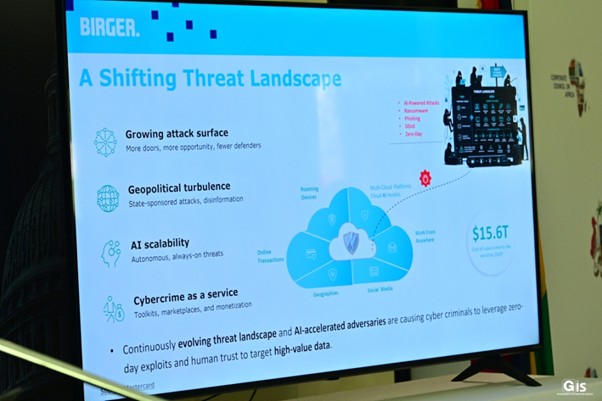
Cyberthreats are evolving, and Artificial Intelligence (AI) is unfortunately accelerating this evolution. The window between the discovery of a vulnerability and its exploitation is becoming increasingly narrow, highlighting the need for urgent action and for cyber-resilience to become part of institutional culture — understood, adopted and owned by all stakeholders.
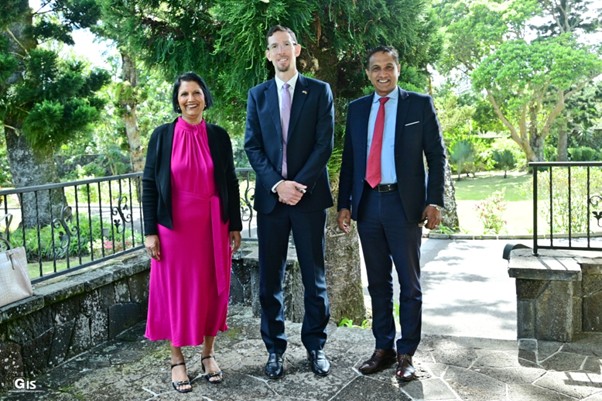
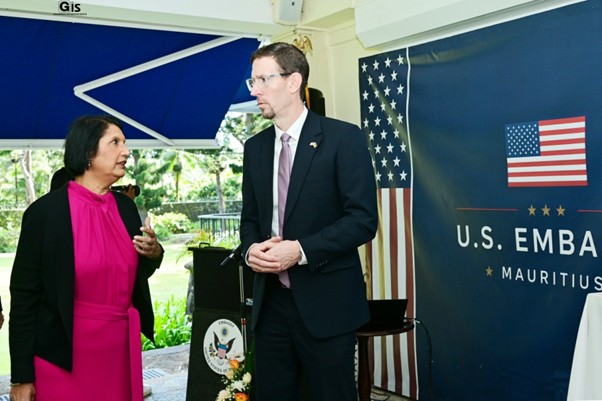
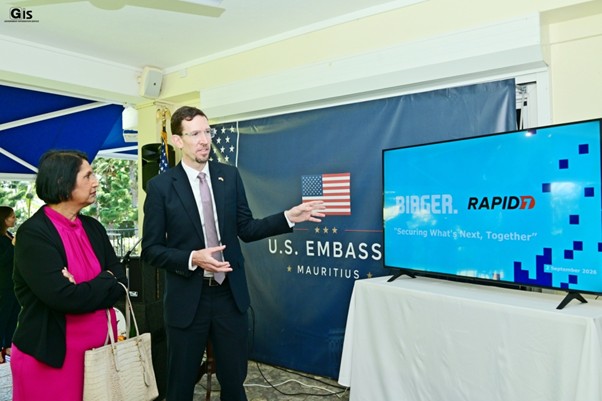
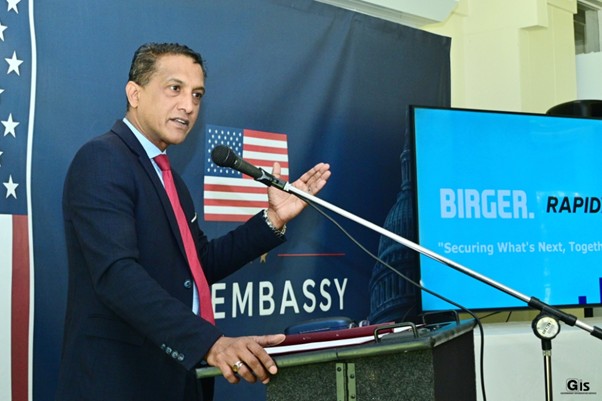
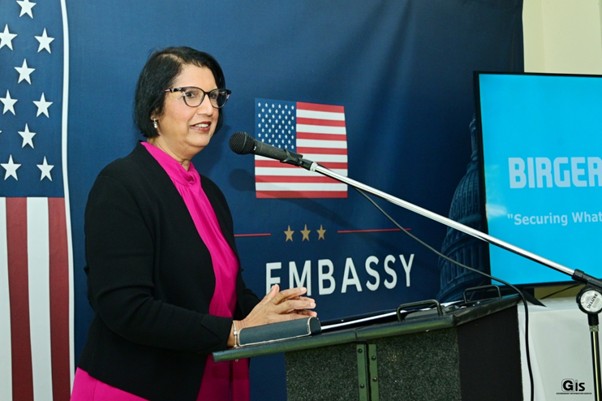
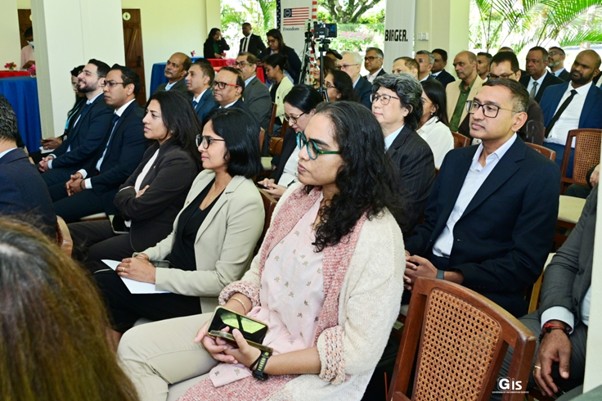
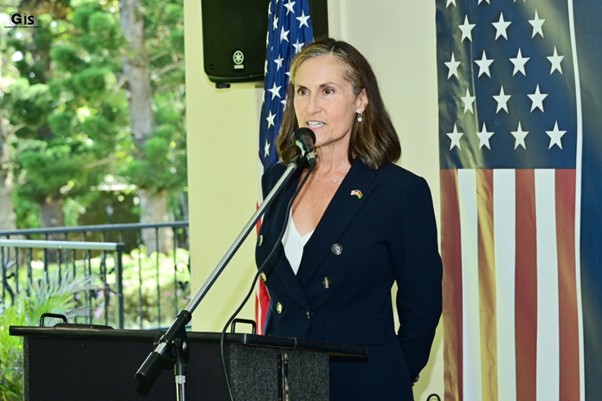
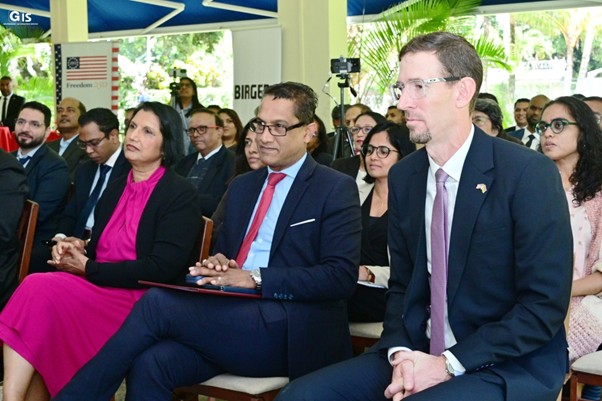
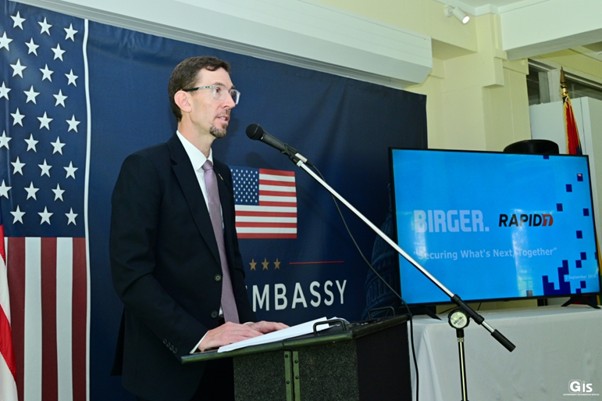
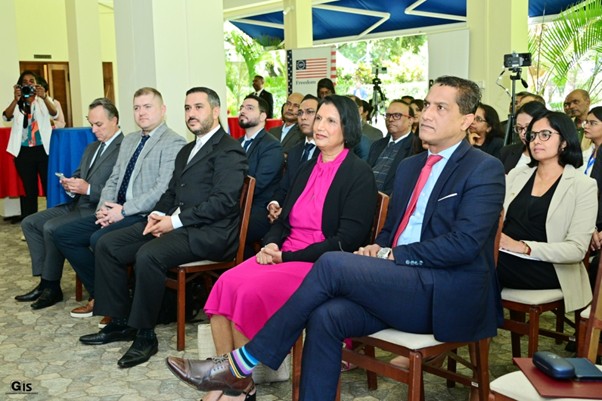
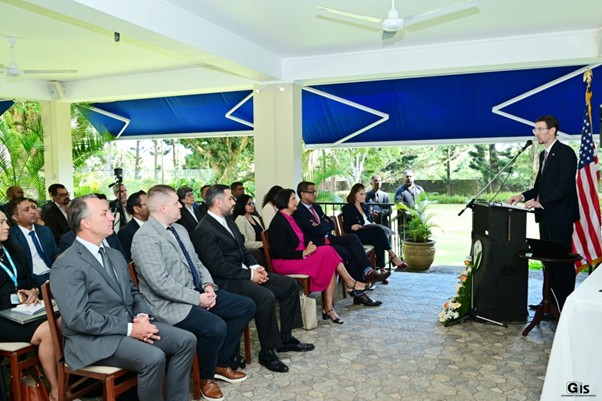
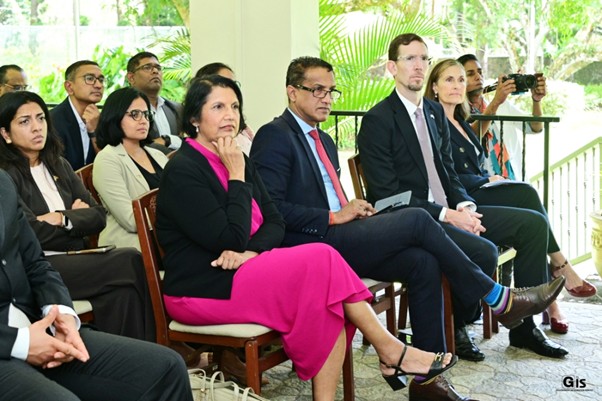
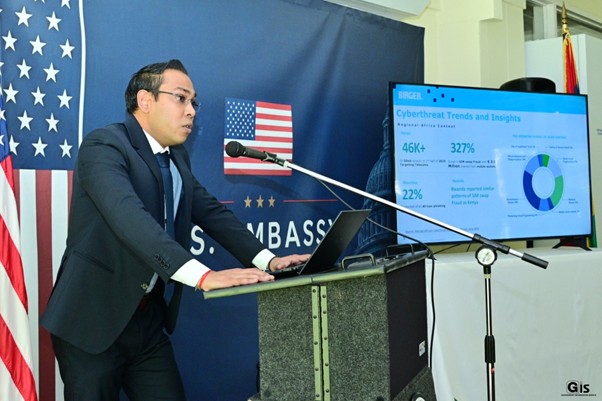
This was the gist of the message delivered by the Minister of Financial Services and Economic Planning, Dr (Mrs) Jyoti Jeetun, this morning, at the opening ceremony of a Cybersecurity Awareness event, themed ‘Securing What’s Next, Together’, at Macarty House in Vacoas.
The activity was organised by the United States (US) Embassy and co-hosted by local technology solution provider, Birger. and American cybersecurity firm, Rapid7, with the participation of financial services sector operators, regulators, technology professionals, policy makers and other stakeholders. The Minister of Information Technology, Communication and Innovation, Dr Avinash Ramtohul; the Chargé d’Affaires at the US Embassy, Mr Craig Halbmaier; and other personalities were also present.
In her remarks, Dr Jeetun affirmed that the question was not whether institutions would face cyberattacks, but whether such attacks could be detected and contained quickly enough, and whether the response and recovery could be effective. She added that, in cyberspace, geography does not provide protection, and that resilience must become a new mindset.
Consequently, the Minister stated that cybersecurity has become everyone’s business and was no longer a technology department matter. “Cybersecurity is becoming a financial stability and boardroom issue, and has broader business implications,” she said. Dr Jeetun stressed that for the financial sector services, the stakes were high since serious cyberattacks could destroy trust overnight. She underlined that trust was fundamental and the foundation upon which banking and finance were built, pointing out that the Mauritius International Financial Centre was built on credibility and international confidence.
The Minister explained that the greater danger was that cyberattacks could become systemic. Risks were higher because the financial system was increasingly interconnected and interdependent on technology, cloud providers and common software. Payment systems depended on telecommunications and shared critical technology providers, creating concentration risks. She thus urged financial institutions to prepare for scenarios involving simultaneous disruptions across multiple firms and shared technology dependencies.
Furthermore, Dr Jeetun averred that, as the country embraced the opportunities presented by the digital economy, it should remain aware of the associated risks, as cybersecurity was also about protecting the country’s international credibility.
She was adamant that cybersecurity required new partnerships among Government, industry, regulators, financial institutions, technology providers, users, law enforcement and the private sector, and, crucially, among countries. “Confidence can be damaged by a single incident that the sector has not been able to manage, and we should not wait for a crisis before investing in resilience,” she said.
For his part, Minister Ramtohul, dwelt on the management of data security and data integrity in the face of cyberthreats and AI-related risks. He spoke about the implementation of the ISO-certified Information Security Management System (ISMS) across Government, as well as the National Data Strategy (2025–2029), which guides Government, people and businesses on how to handle and process data safely and smartly.
The Minister was of the view that people were the weakest link in cybersecurity, hence the need to raise awareness about data generation and ensure that data remained secure. He also announced that the relevant legislation was being reviewed, in particular the Cybersecurity and Cybercrime Act 2021, with a view, among other things, to reviewing definitions and incorporating social media-related aspects. Dr Ramtohul further informed that, ahead of the coming into force of the revised legislation, a three-month sensitisation campaign would be launched.
For his part, the Chargé d’Affaires at the US Embassy underscored that cybersecurity was critical to economic and national security. He said that, as Mauritius continued to grow as a regional hub for financial services, technology and innovation, protecting digital infrastructure had become increasingly essential to sustaining this growth. Mr Craig Halbmaier reiterated the US commitment to Mauritius in promoting economic security and a safe digital future.
Date: 02 September 2026
Source: GIS News
Topics: Technology, Information Technology, Artificial Intelligence